

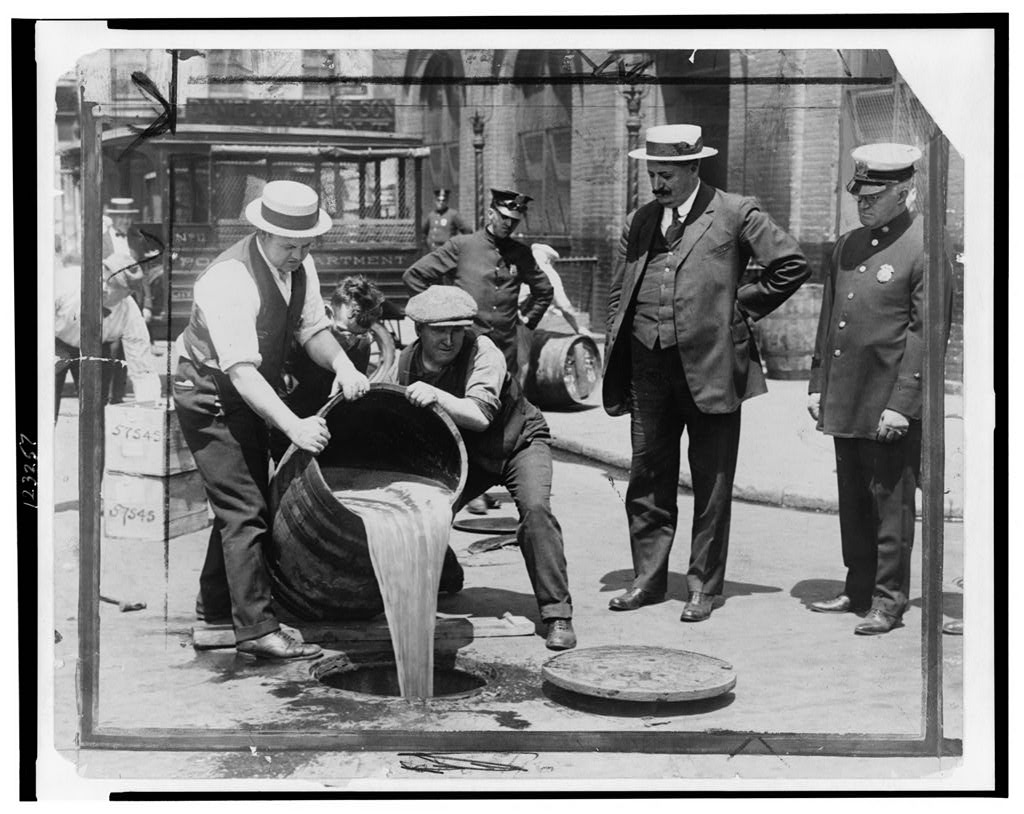
Vote No on Question 8: Regulation Works – Prohibition Doesn’t

Vote No on Question 8: Regulation Works — Prohibition Doesn’t
This November, Massachusetts voters will decide Question 8 — a measure to prohibit retail sale of adult-use cannabis statewide. Here’s why it deserves a No vote.
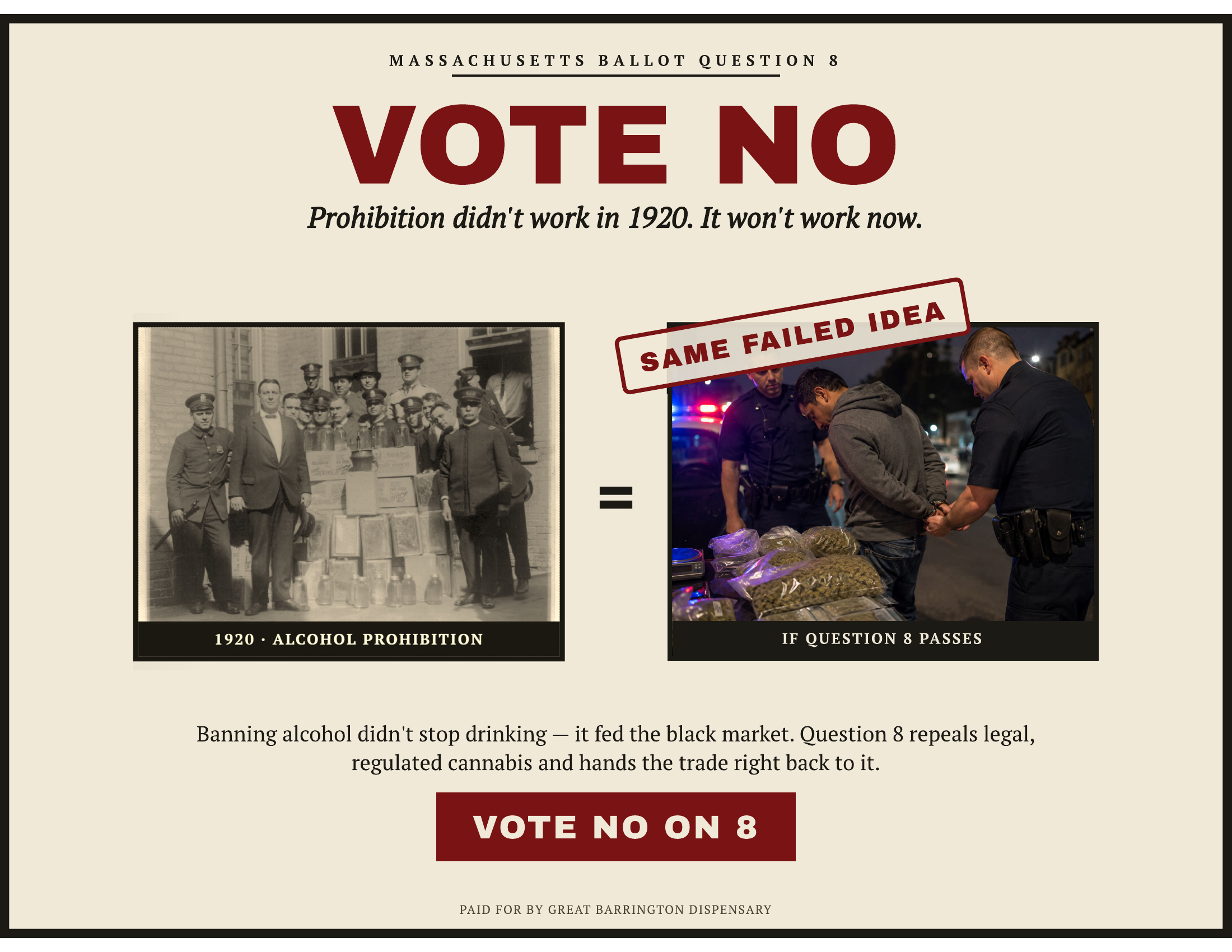
What Question 8 Actually Does
Question 8 would shut down the state’s licensed adult-use cannabis retail industry. It wouldn’t touch medical cannabis, and it wouldn’t recriminalize simple possession for adults 21+. But it would eliminate all legal means to purchase recreational cannabis in the Commonwealth — the ones voters approved in 2016.
1. Voters Already Decided This
In 2016, Massachusetts voters legalized adult-use cannabis with 54% in favor. That wasn’t a fluke — it reflected a considered judgment that prohibition had failed and regulation was the better path. Question 8 asks voters to throw out a decade of results and go back to a system that didn’t work.
2. It Doesn’t Stop Cannabis Use — It Stops Regulation
Prohibition doesn’t eliminate demand. It moves it. Shutting down licensed, tested, tax-paying dispensaries pushes consumers back toward an unregulated market with no age verification, no product testing, and no accountability. The people this hurts most are the ones prohibition always hurt most.
3. Follow the Money
The repeal campaign has been funded largely by an organization that doesn’t disclose its donors. Reporting has found that a meaningful share of people who signed the original petition say they weren’t told it was about repealing legal cannabis. That’s worth knowing before you vote.
4. Real Jobs, Real Revenue, Real Communities
Massachusetts’ legal cannabis market has generated nearly $2 billion in state and local tax revenue since 2018 — money that’s funded schools, roads, public health programs, and community investment across the state. The industry also supports roughly 18,400 jobs statewide. Independent, locally owned dispensaries are part of their communities. A blanket repeal doesn’t distinguish between responsible operators and bad actors — it wipes out the whole industry, along with the jobs and tax base that come with it, and hands that revenue straight to unregulated dealers who pay no taxes at all.
5. Prohibition Doesn’t Work — We’ve Run This Experiment Before
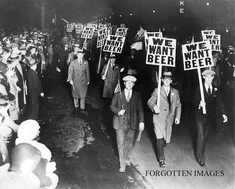
Massachusetts already ran this experiment with alcohol. Prohibition didn’t eliminate drinking — it handed the entire market to organized crime. Bootlegging operations built by figures like Al Capone flourished precisely because demand didn’t go away when the legal supply did; it just went underground, unregulated and untaxed, with violence as the enforcement mechanism instead of law. States and the federal government lost the tax revenue outright, and the resulting crime wave is a big part of why Prohibition was repealed just 13 years after it began.
Cannabis prohibition followed the same script for decades: it didn’t stop use, it just moved the entire market into the hands of unregulated dealers and, in some cases, organized trafficking operations. Question 8 doesn’t learn from either history — it proposes running the same failed experiment a third time.
6. Repeal Repeats the Mistakes of the War on Drugs
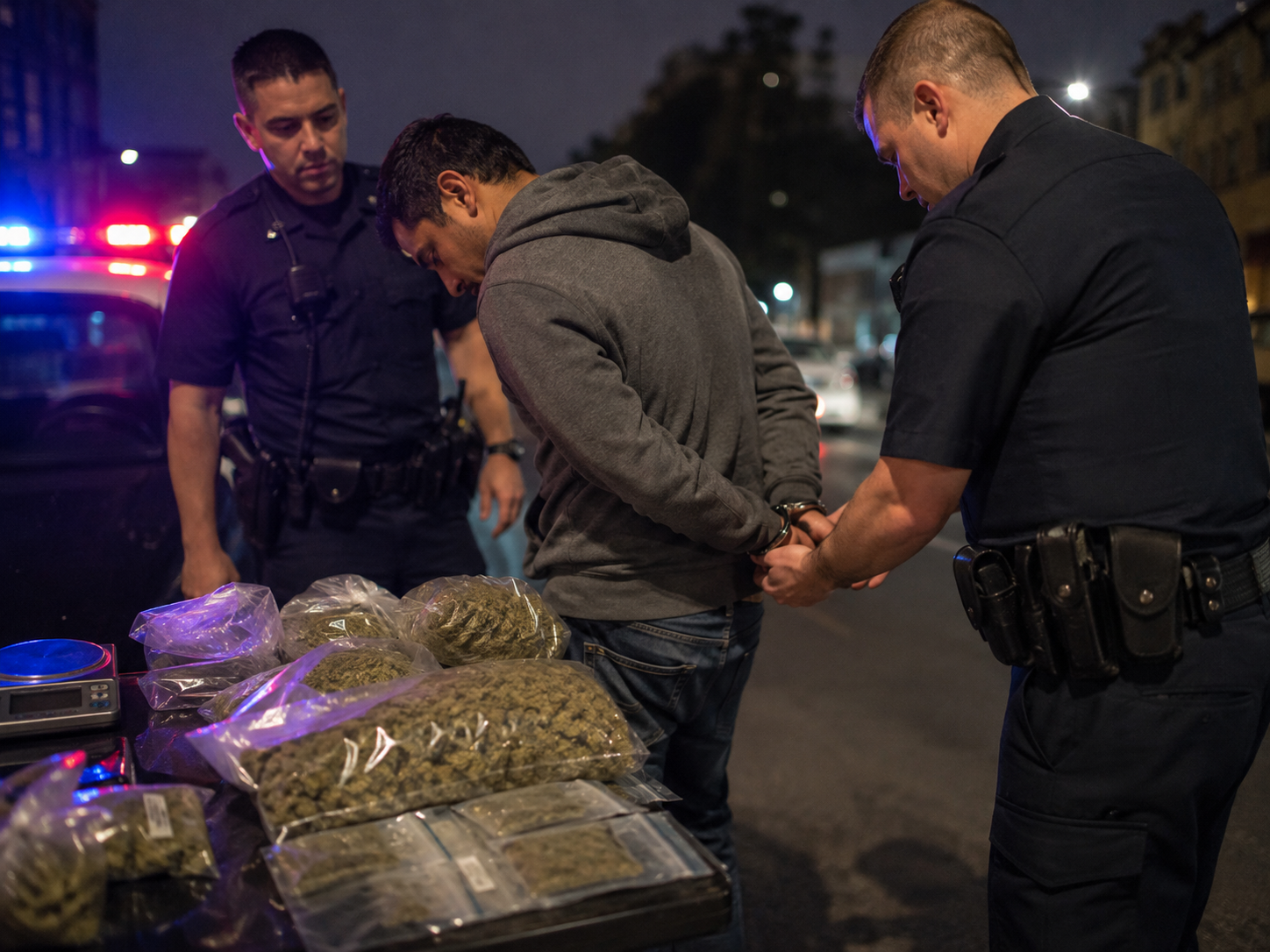
Cannabis prohibition wasn’t applied evenly. Before decriminalization, Black residents in Massachusetts were arrested for marijuana possession at multiple times the rate of white residents, despite similar usage rates across races — a pattern documented by the ACLU, the Boston Globe, and a UMass Donahue Institute study commissioned by the state’s own Cannabis Control Commission. That history is a major reason Massachusetts built social equity licensing into its legal cannabis system in the first place, creating a path for people and communities harmed by prohibition to participate in the industry instead of being shut out of it.
Question 8 doesn’t undo that harm — it risks recreating it. Eliminating legal retail pushes the market back underground, where enforcement has always fallen hardest on the same communities. Repeal doesn’t just cost tax revenue and jobs; it turns back the clock on one of the few concrete steps Massachusetts took to address decades of racially disparate drug enforcement.
7. The Black Market Doesn’t Card, Test, or Care
Repeal doesn’t make demand disappear — it just hands the entire market back to unregulated dealers overnight. That has consequences:
No age verification. Licensed dispensaries check government-issued ID at the door, every time. Street dealers and unlicensed shops don’t.
No testing for pesticides, heavy metals, or contaminants. Every product sold at a licensed Massachusetts dispensary is lab-tested. Illicit products aren’t tested for anything — and when unregulated products go wrong, people get hurt:
- In August 2024, Norwalk, Connecticut police raided a smoke shop selling cannabis without a license and found marijuana products laced with fentanyl. It wasn’t an isolated case — a Bridgeport smoke shop raid in 2026 also turned up cannabis and THC products that tested positive for fentanyl, and Connecticut lab officials have noted dealers using the same equipment to package both fentanyl and marijuana, leading to cross-contamination.
- The 2019 EVALI outbreak — nearly 2,800 hospitalizations and dozens of deaths nationwide — was traced almost entirely to illicit THC vape cartridges. The CDC identified vitamin E acetate, an additive used to dilute illicit THC oil and cut costs, as the primary culprit, and investigators found it was used specifically as a cutting agent in black-market vape cartridges. Legal, tested dispensary products were not the source.
That’s the trade-off Question 8 offers: give up ID checks, lab testing, and accountable retailers, and go back to a market where the guy cutting your weed with fentanyl-contaminated equipment is the only “regulator” left.
8. There’s a Better Way to Fix Problems
If there are legitimate concerns — youth access, marketing practices, oversaturation in certain towns — those are solvable through regulation, not repeal. Question 8 is a sledgehammer where a scalpel would do.
What You Can Do
- Register to vote by October 24, 2026.
- Vote No on Question 8 on or before Tuesday, November 3, 2026.
- Early voting and mail-in ballots are available if you can’t make it to the polls on Election Day.
- Talk to friends and family — turnout is what decides this one.
Massachusetts built this industry through the ballot box. It’s on voters to keep it.
Want to see what’s at stake? Browse our menu and see the tested, regulated products this vote protects.